

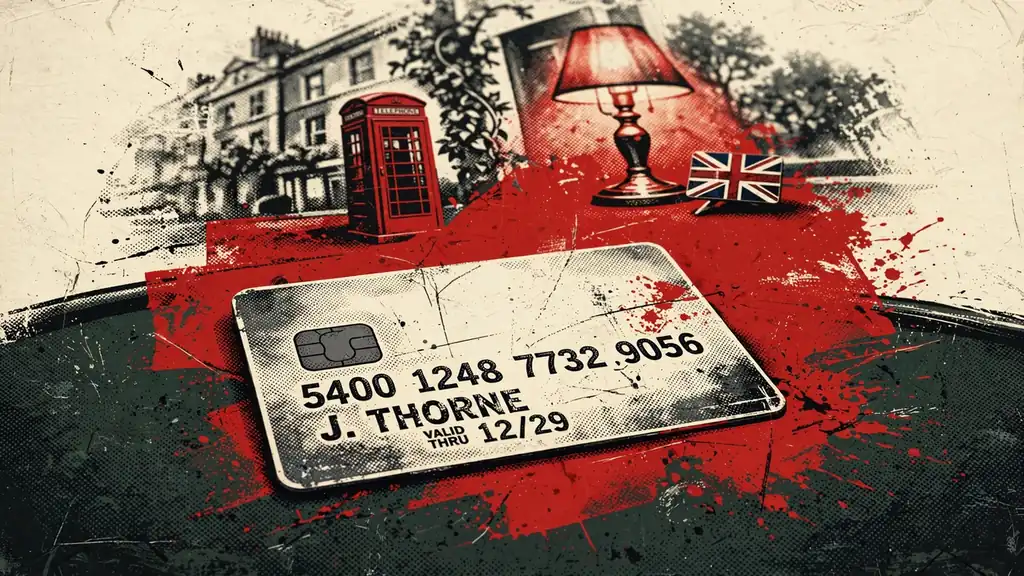
The UK credit-card gambling ban affects casino deposits, so payment options and card types matter when choosing how to pay.
Why a UK-Licensed Casino Won’t Take Your Credit Card
If a casino is licensed to serve customers in Great Britain, it cannot accept a credit card to fund gambling. That is the practical answer behind searches for credit card casino sites in the UK: a site may advertise itself that way, but it cannot lawfully provide credit-card gambling under a UK Gambling Commission licence.
The restriction has applied since 14 April 2020 and has not been relaxed. So if you see a page promising UK casinos that accept credit cards, pause before treating the claim as a sign of a useful payment option. It may be outdated, unclear about what kind of card it means, or describing a site outside the UK regulatory system. Those are not interchangeable situations.
I would start by asking what the operator actually means by “card”. A debit card and a credit card are different products, even when they carry the same familiar network logo or look similar in your wallet. A payment page that names Visa or Mastercard does not, on its own, tell you whether a particular credit-card product can be used. Nor does a general “cards accepted” label override the gambling restriction. The detail that matters is whether the payment is a credit-card payment for gambling.
The same principle applies if a site presents the transaction in a less direct way. A UK-licensed casino cannot make credit available for gambling by changing the label or route used at checkout. It also cannot accept a wallet payment where the wallet permits credit-card funds to be used for gambling. A familiar payment brand is no guarantee that every way of loading or using that account is permitted.
That is why a claim about “credit card deposits” deserves more than a quick glance at a promotional page. Look for the operator’s legal identity and whether it holds a current UKGC operating licence. The Commission’s public register is the place to check the licence; do not rely on a logo or a statement that a site is “UK-friendly”. A remote gambling licensee serving Great Britain must hold the relevant UK licence, wherever the company itself is based.
UK Casinos That Accept Debit Cards: Payments Guide
A site that openly says it accepts credit cards for gambling may be operating outside the UKGC system, or its wording may be misleading. Some offshore casinos are accessible to people in the UK, but accessibility does not make them UK-licensed or bring them under the same rules. The key distinction is not whether a website loads or lets you create an account. It is whether the operator is authorised to serve the British market and what protections apply to that service.
Be cautious, too, with pages promoting a “credit card casino not on Gamstop” as though avoiding a restriction were a consumer benefit. A claim like that does not establish that the casino has a UK licence, and it does not change the rule for UK-licensed operators. If the page steers you towards an unlicensed site, you are no longer comparing licensed UK casinos that accept credit cards; you are considering a service outside the UK regulatory system. That is a very different decision.
For a licensed casino, the restriction concerns the gambling payment, not just a particular game. A credit card cannot be used to fund casino play simply because you plan to choose slots rather than another casino game. Search phrases such as “slots that accept credit cards” can therefore lead to the same confusion: the game type does not turn a prohibited credit-card payment into an allowed one.
There is no special category of “best credit card casino sites” that makes the rule disappear. If an operator is properly licensed for Great Britain, the credit-card claim should not be read as a promise that you can deposit with a credit card. If it is not licensed, a headline promising that option should prompt you to check what you would be giving up in regulatory protection before sharing payment or identity details. A bold banner is not a licence.
I’d treat the cashier and the operator’s terms as more meaningful than an advert, while remembering that neither can authorise a UKGC licensee to take a prohibited payment. Confirm that the company named on the site matches the licence record, and be wary of vague wording that bundles credit and debit cards together. If the promise remains “credit cards accepted” without a clear, credible explanation, walk away from the claim rather than assuming the rule has changed.
UK Credit Card Ban
UK-licensed casinos cannot accept credit cards for gambling. Any site promising this may be operating outside the UK regulatory system.
That leaves a straightforward distinction: a UK-licensed casino will not accept credit-card payments for gambling. A site claiming otherwise needs scrutiny, not an instant deposit.
The Credit Card Gambling Ban: What Changed in 2020
The UK credit card gambling ban took effect on 14 April 2020. That is the date to use when checking whether an old article or payment guide reflects the current position: before it, during the transition, or after the restriction began. The rule has not since been relaxed.
The change was made by the UK gambling regulator. It was not a decision by individual casinos to remove a particular card brand, and it was not a short-lived measure. The date marks a change in what remote gambling licensees may accept for gambling, rather than a change to the name or branding of a payment card.
That distinction matters when you come across older information. A page written before the ban may describe credit card gambling as an available option. Its age does not make that advice current. I would treat any payment guide that still presents credit cards as an ordinary way to fund gambling in the UK with caution, and check when it was last updated.
The restriction remains in force in 2026. There has been no later relaxation that restores credit-card payments for gambling at UK-licensed sites. So the answer to whether credit cards are allowed for gambling in the UK has not changed since the ban took effect: the restriction applies now as it did after 14 April 2020.
Casinos That Accept Wirecard in the UK: What to Check
It is also worth keeping the timeline separate from the reason people may give for the ban. The date establishes when the rule began; it does not, by itself, tell you every reason behind the decision. I would not rely on a casual explanation attached to an old article as if it were the rule itself. What matters for checking current information is that the regulator introduced the restriction and has not lifted it.
There is no annual renewal date for the ban to watch for. It is not a temporary pause that expires after a fixed period, nor does the year in a page title make the underlying rule new. A guide updated for 2026 is describing a continuing restriction, not a fresh change made that year.
For a quick check, look at the date and the claim together. If a page says credit-card gambling was banned on 14 April 2020 and treats the restriction as ongoing, its timeline matches the current position. If it suggests that the UK ban has been withdrawn, it does not. The date is specific; the status is still current.
That is the timeline in plain terms: the restriction began on 14 April 2020, and it remains in force. When you read conflicting advice, give more weight to current information that reflects that continuing position than to an undated claim that treats the ban as a past event. The calendar has moved on. The rule has not.
Regulatory Status
The credit card gambling restriction has been in effect since 14 April 2020 and has not been relaxed.
Recommended online casinos
- BeOnBetBonus: 100% up to €500 + 100 FS · Payout speed: 1-3 business days
- NightLuckBonus: Welcome Pack + 805% Up To 6400€ + 280 FS · Payout speed: 1-3 business days
- ChanzeBonus: Slots Welcome Bonus #1 200% up to €500 · Payout speed: 1-3 business days
- JetsetspinsBonus: 200% Bonus + 100 Free Spins + Free Royal Wheel · Payout speed: 1-3 business days
- ZombillionBonus: Welcome Pack 250% up to £4000 + 200 FS · Payout speed: 1-3 business days
- DieselwinBonus: Welcome Pack 250% up to £4000 + 200 FS · Payout speed: 1-3 business days
- EvoSpinBonus: 125% up to €2500 + 125 Free Spins · Payout speed: 1-3 business days
- AmunbetBonus: Join now and get 450% up to 2,700 GBP + 450 FS · Payout speed: 1-3 business days
- WinBeastBonus: €5000 + 500 FS + €650 Freebet · Payout speed: 1-3 business days
Can You Use a Credit Card to Gamble Online in the UK?
No. A UK-licensed casino cannot accept credit-card payments for gambling, whether you are paying directly by card or trying to route the payment through another service. The rule applies to online gambling as well as casino gambling elsewhere, so a credit card is not a permitted way to fund a gambling account with a UK-licensed remote gambling operator.
The practical point is that changing the route does not change the source of the money. If you try to send credit-card funds to a money service business and then use that service to pay the casino, the operator must still refuse the gambling payment. The same applies to a wallet that allows credit-card funds to be used for gambling. A different logo on the payment screen does not make the underlying credit-card funding acceptable.
That is why a payment can fail even when you are not entering card details in the casino cashier itself. The restriction concerns credit-card payments for gambling, not just a particular checkout page. A UK-licensed operator cannot treat an intermediary as a way around it.
I’d keep the distinction between a credit card and a debit card clear. They may look similar in your wallet, and both may carry familiar card-network branding, but they are not interchangeable for this purpose. If you are unsure what kind of card you have, check with the issuer rather than assuming that a card accepted for ordinary purchases can also fund gambling. The cashier’s payment labels are not a substitute for knowing how your card is funded.
Casinos That Accept Citadel in the UK: How to Check
The restriction has applied since 14 April 2020 and has not been relaxed. For a player making a deposit now, that means there is no special online-casino exception to look for and no approved workaround through a payment intermediary. If a site appears to invite credit-card gambling, treat that as a reason to pause and check who operates it and whether it is authorised to serve customers in the UK.
For real-money gambling in Great Britain, remote gambling licensees must hold the relevant UK Gambling Commission licence. A site’s payment page alone does not establish that it is operating within the UK regulatory system. Before you deposit, check the operator against the Commission’s public register and make sure the licence covers the gambling service being offered. That is a basic check, not a way to make a prohibited payment method acceptable.
If a transaction is rejected, do not keep trying variations of the same credit-funded route. Repeating it through another service does not alter the rule and may leave you with a confusing trail of pending or reversed payments. Pause, identify whether the card is credit or debit, and contact the casino or card issuer if the status of a transaction is unclear.
The short answer is firm: you cannot deposit at a UK-licensed online casino with a credit card, and sending credit-card money through a money service business or a qualifying wallet does not create a loophole. A site that claims otherwise deserves careful scrutiny.
What to Use Instead of a Credit Card
If you are looking for a way to fund play at a UK casino, start with a debit card. UK casinos commonly accept Visa and Mastercard debit cards, so this is the most familiar alternative for many players. Just make sure you are selecting a debit card, not a credit card: the card network name alone does not tell you which type of card you hold.
Debit Cards
Commonly used via Visa or Mastercard for instant deposits and familiar functionality.
PayPal
A popular option for speed and convenience, though it may be excluded from some bonuses.
Bank Transfers
Using open banking for direct payments from your bank account.
E-wallets
Services like Skrill or Neteller, which may also have promotion restrictions.
PayPal is another option at some sites. It lets you pay through a separate account rather than entering card details at the casino, and a specialist review describes it as popular for speed and convenience. There is a catch if you are interested in a promotion: that same type of review notes that PayPal can be excluded from bonus eligibility. Read the offer’s terms before depositing, rather than assuming every payment route qualifies.
Open banking and bank transfers are worth considering if you prefer paying directly from your bank account. A specialist review reports that these methods can provide instant deposits and fast withdrawals at many sites. Availability and the experience can differ between operators, so treat that as a possibility rather than a promise. A bank transfer may be familiar, but the casino still has to support it as a payment option.
E-wallets are another part of the picture. Skrill and Neteller are available at some sites, according to a specialist review, but that review also says they are often excluded from promotions. If you plan to claim an offer, check its payment rules first. It is an easy detail to miss when you are focused on the headline bonus.
You may also see prepaid options such as Paysafecard. It is a voucher for deposits, not a route for receiving withdrawals, so do not treat it as a complete payment arrangement. Before choosing any method, think about how you expect to move funds out as well as in; the cashier and payment terms will tell you what the operator supports.
UK Casino Sites That Accept EcoPayz: Payment Guide
There is no single replacement that suits everyone. A debit card keeps things straightforward if you already use one for online purchases. PayPal or an e-wallet may appeal if you prefer a separate payment account. Open banking or a bank transfer may suit you if you want to pay directly from your bank. The practical choice is the one you can use comfortably and that the casino accepts for the transactions you need.
I would not pick a method on the basis of a bonus banner alone. Promotions can have payment exclusions, and a deposit method that works for one offer may not qualify for another. The small print matters.
The useful starting point is simple: look for a supported debit card, then compare the other options the casino actually offers. These alternatives are not available everywhere, and a familiar payment brand is not a guarantee that every product bearing its name will work. Choose a route you understand, and check the conditions before you confirm a deposit.
Check the Cashier Before You Choose a Payment Method
A payment logo on a review page is a useful starting point, not confirmation that the method will work for your account today. I check the casino’s cashier while signed in, because the options shown there are the ones relevant to the operator, your account and the transaction you are about to make.
Cashier Verification
- Check that the casino holds a valid UKGC licence
- Confirm your deposit method is a debit card, not credit
- Verify the supported currency is GBP
- Review the specific terms for your chosen payment method
That matters particularly with cards. A specialist review may list Visa or Mastercard, but that does not establish that every card product is accepted by the casino in the UK. Open the deposit screen and check the cashier’s current terms for the card you intend to use. UK-licensed casinos cannot accept credit-card payments for gambling, so a listing that appears to promise credit-card deposits is not a reason to assume a credit card will be accepted. Debit-card eligibility can also depend on the operator and the card product.
Be wary of a site claiming to accept credit cards simply because it is described as “not on GamStop”. That label does not confirm what payment methods the cashier supports, or whether the site holds the licence required to serve customers in Great Britain. If you are considering a casino, check its status on the UK Gambling Commission’s public register as well as checking the payment screen.
Then look at what each method actually does. The cashier may present a payment route for deposits without offering it for withdrawals. Paysafecard, for instance, is a prepaid voucher for deposits only; seeing it listed does not mean it can also receive a payout. Before choosing, check the method’s terms for both directions, rather than treating one appearance in the cashier as proof of full account support.
Other methods can have their own availability quirks. A specialist review describes Jeton as available at a handful of UK online casinos in 2026, but that does not tell you whether it is currently available at the particular site you are using. Check the live cashier rather than relying on a general list. The same principle applies if an operator’s payment page mentions a method that you cannot see after signing in.
Casinos That Accept Upaycard in the UK: Payment Guide
Currency deserves a separate check before you confirm anything. Some operator payment pages state that GBP is supported, but confirm the currency shown for your own account before making a transaction. If the account is set to another currency, conversion may affect the amount credited or the amount ultimately returned. Don’t assume the pound symbol on a general information page settles what your cashier will use.
I also read the payment method’s conditions on the operator’s own site. Look for any restrictions on which accounts can use it, whether the method is available for both deposits and withdrawals, and what happens if a payment cannot be processed. If the cashier and the general payment page appear to disagree, pause and ask the operator to clarify before sending money.
This is a small check, but it saves a common annoyance: choosing a casino because a payment logo looked promising, then discovering the route is unavailable or deposit-only. The cashier is the practical test.
Deposits, Withdrawals and the Wait Between Them
A deposit and a withdrawal are two separate stages, so the time shown for one does not tell you how quickly the other will arrive. A debit-card deposit may reach your casino balance instantly, while a payout can take several business days. A specialist review describes that contrast, but treat it as a possible timing pattern, not a promise for every casino or transaction.
That distinction matters when you are checking a cashier. On a UK-licensed site, a card payment for gambling cannot be funded by credit. If you see a card deposit option, check which card products it accepts; the fact that a payment appears quickly does not change the rules on credit-card payments for gambling.
Timing Differences
Deposit times and withdrawal times are two different processes and should not be compared.
A deposit is only the first step
When you pay in, the casino needs to receive and credit the transaction before you can use the balance. With an eligible debit card, that may happen straight away. Other payment routes can take longer, and a delay at the payment provider or bank can affect when the money appears.
A successful deposit also says nothing about how soon a withdrawal will be approved. The casino has to review a payout request before it is sent, and the receiving payment service or bank has its own processing stage. The balance leaving your casino account and the money arriving with you are not necessarily the same moment.
I check the cashier’s stated processing times rather than assuming a quick deposit means quick access to winnings. They are different clocks.
What happens after you request a payout
The casino’s internal approval process is part of the withdrawal time. Its team may need to check the request and confirm that the account is ready for a payout. KYC can add time if the casino still needs to verify your identity or account details. A specialist review notes that first withdrawals may take longer while verification is completed; an account that has already been checked can avoid that particular hold-up, but it does not guarantee a specific arrival time.
After approval, the payment still has to travel through the relevant provider or bank. So when a cashier gives a payout estimate, check whether it refers to the casino’s own processing or the full wait before funds reach your account. If the request is pending, that may mean it is still being reviewed rather than already on its way.
Casinos That Accept Echeck in the UK: What to Check
PayPal, open banking services and debit cards connected to fast payout systems are identified in specialist reviews as options that can be among the quicker withdrawal routes. Availability and timing depend on the casino and the account, so check the cashier’s information for the method you intend to use. “Fast” is not a fixed arrival time.
How to read a delay
If a payout has not arrived when expected, start by checking its status in your casino account. A request awaiting approval is at a different stage from one the casino has sent for payment. Then check the casino’s published processing information and any messages asking you to complete verification.
If you are unsure whether the delay is with the casino or the payment service, contact the casino first and ask whether the withdrawal has been approved and released. Keep the transaction details to hand. That gives support a clear point to check, instead of leaving you to guess where the money is.
Do not treat the deposit time as a benchmark for a withdrawal. A payment that appeared instantly on the way in can still take several business days to come back, particularly if approval or verification is still outstanding. The useful comparison is the stated withdrawal process for your chosen route, not how quickly you funded the account.
Deposit Limits, Fees and Your Account Currency
Before you deposit, check the minimum and maximum shown for the payment method you have selected. A specialist casino review puts minimum deposits in the £10–£20 range, with the exact entry point depending on the method. Treat that as a guide, not a promise: the cashier’s current terms are what matter when you make a payment.
Do
- Use a debit card for your deposits
- Check the UKGC public register for the licence
- Verify the operator’s terms in the cashier
Don’t
- Attempt to use a credit card for gambling
- Assume a payment logo means all card types are accepted
- Rely on outdated payment guides
Maximums are less predictable. A casino may set separate caps for one transaction, a day or a month, and the amount available can depend on your payment method and account status. If you plan to deposit a particular sum, check the relevant cap in the cashier rather than assuming a limit shown for one route applies to another.
Then look beyond any fee listed by the casino. The total cost can involve charges from the casino, payment provider, card issuer or bank, as well as network fees. Currency conversion can add another cost: a provider may apply an exchange-rate spread, meaning the rate used is less favourable than the reference rate. That difference can outweigh a visible flat fee. Small print has a knack for hiding the expensive part.
There is no single payment method that is always cheapest. Compare the charges and exchange rate that apply to your actual payment amount; a fee-free deposit can still cost more if the conversion rate is poor. Check whether the displayed figure is in pounds sterling and what currency your casino account uses before confirming. A specialist review reports that GBP is supported, but availability and account settings can change, so verify the currency in your own cashier. If your account is set to another currency, conversion may occur when you deposit or when your bank processes the transaction.
I’d make these checks before entering payment details: the minimum for the chosen method, its transaction and account caps, any casino or provider charge, the exchange rate, and the account currency. That gives you the amount you are actually authorising, not just the headline deposit figure.
Set a Limit Before You Deposit
Before you make your first deposit, a UK-licensed remote gambling operator must prompt you to set a financial limit. That is a required account safeguard, not an optional pop-up to click past without thinking. You should also be able to find and use limit controls later through your account.
I treat the prompt as a moment to decide what I can comfortably afford to spend, rather than as another registration hurdle. Choose a figure that fits your own budget, then keep it separate from money needed for bills and everyday costs. A limit is there to help you manage gambling spend; it does not make gambling risk-free or guarantee that you will stay within your plans.
If you are looking for a credit card casino in the UK, this safeguard does not change which payment methods an operator may accept. A financial limit is an account control, not permission to fund gambling with a particular kind of card. The two questions are easy to muddle when you are signing up, but they do different jobs.
Once your account is open, check where the controls sit and how to adjust them. They should be accessible at account level, so you are not left searching through help pages when you want to review your setting. I would do that before depositing, while the account is still new and the choice is straightforward.
Financial Limits
Setting a limit is a required safeguard to help you manage your gambling spend.
A limit only helps if it reflects a real boundary you intend to respect. If you find yourself trying to get around it, pause rather than treating the setting as an obstacle. Keep the control visible and use it as part of your own plan for gambling. It is a basic step, not a magic switch.
Paying and Getting Paid Through the Same Route
When you set up a casino account, use your own details and a payment account that belongs to you. That simple match can prevent avoidable questions when the casino checks a transaction. If the name on your gambling account differs from the name attached to the payment route, staff may need to clarify who owns the funds before they can process them.
I’d keep the route straightforward: deposit from an account in your name, then use that same named account when receiving a payout where the casino allows it. This is not a way around checks. It makes the ownership details easier to follow and can reduce friction during verification.
There is also a reason withdrawals do not always go wherever you choose. UK anti-money laundering rules generally mean a casino must return funds to the original payment source. This is part of the closed-loop approach to handling money: the route used to fund the account can affect where the casino sends the payout. A different route may be possible in some circumstances, but it can involve additional checks.
Before you deposit, check that the account details you have entered are accurate and that the payment method is yours. If the cashier or the casino’s terms say withdrawals must go back to the original source, plan around that rather than assuming you can switch destinations later. Keep access to the payment account, too; you may need it to confirm ownership or receive funds.
Using one named account consistently is often the cleanest arrangement. It does not guarantee a transaction will be approved, and the casino may still need to verify your identity. But matching account and payment details gives staff fewer basic discrepancies to resolve. Keep it simple.
Can You Play Online Slots With a Credit Card?
No. A UK-licensed casino cannot accept a credit-card payment to fund online slot play. The restriction applies to gambling deposits, not just to particular games, so selecting a slot rather than a table game does not change what the cashier is allowed to take.
The practical distinction is between paying for something with a credit card and using one to put money into a gambling account. A deposit made so you can spin slots is a gambling payment. It does not become an ordinary purchase because the money is later used inside the casino’s games.
I’d be wary of any site claiming that its UK-facing slots are an exception. The credit-card gambling ban took effect on 14 April 2020 and has not been relaxed. A UK-licensed casino should not offer a credit-card route for slot deposits, whether the card is entered directly or routed through a money service business.
That also matters if a payment option looks like a wallet rather than a card. UK-licensed operators cannot accept wallet payments where credit-card funds can be used for gambling. The label on the button is not enough; what matters is whether credit-card money can reach the gambling account.
If you are checking a casino before playing, look at the payment options shown in its own cashier and the operator’s licence status. Don’t rely on a banner promising “credit card slots” as proof that the payment is permitted. A site outside the UK licensing system is not a UK-licensed exception, and its offer does not alter the rule for licensed casinos.
The slots themselves are not the loophole. The restriction follows the deposit into gambling, so there is no separate credit-card allowance just for online reels. If a cashier appears to accept one, pause and check what payment route is actually being used before entering card details. Short version: no credit-card slot deposits at a UK-licensed casino.
Why must withdrawals return to the deposit method?
Returning the money to your original payment source is a common anti-fraud and anti-money-laundering control. Using an account and payment route in your own name can also help avoid ownership checks causing delays.
What is the fastest withdrawal method for UK casinos?
PayPal, open banking services and debit cards linked to fast payout systems are generally among the quickest options. Your casino’s approval process and account verification also affect how quickly you receive the money.
Why can a fast payout casino still delay my withdrawal?
The casino must approve the withdrawal, and it may take longer if your account is not fully verified—particularly for a first withdrawal. Bank transfers can also be affected by cut-off times, weekends and currency conversion.
Which method has the lowest fees?
There is no universally lowest-fee method. Compare the casino’s charges, provider and bank fees, currency-conversion spread and any network costs for the amount you plan to transfer.
Are fast casino withdrawals guaranteed?
No. The time depends on the casino’s internal approval and whether your account is fully verified; the payment method can also affect delivery time.
Which payment methods are accepted in Great Britain?
UK casinos commonly accept Visa and Mastercard debit cards, bank transfers and open banking services. Some also offer PayPal, Apple Pay, Skrill, Neteller, Jeton and Paysafecard for deposits; credit-card gambling is not permitted at UK-licensed casinos.
Are Visa and Mastercard deposits definitely debit cards?
No. The Visa or Mastercard logo alone does not identify the card as debit or confirm that a particular card product is eligible. Check the card type and the casino cashier before depositing; UK-licensed casinos cannot accept credit-card payments for gambling.